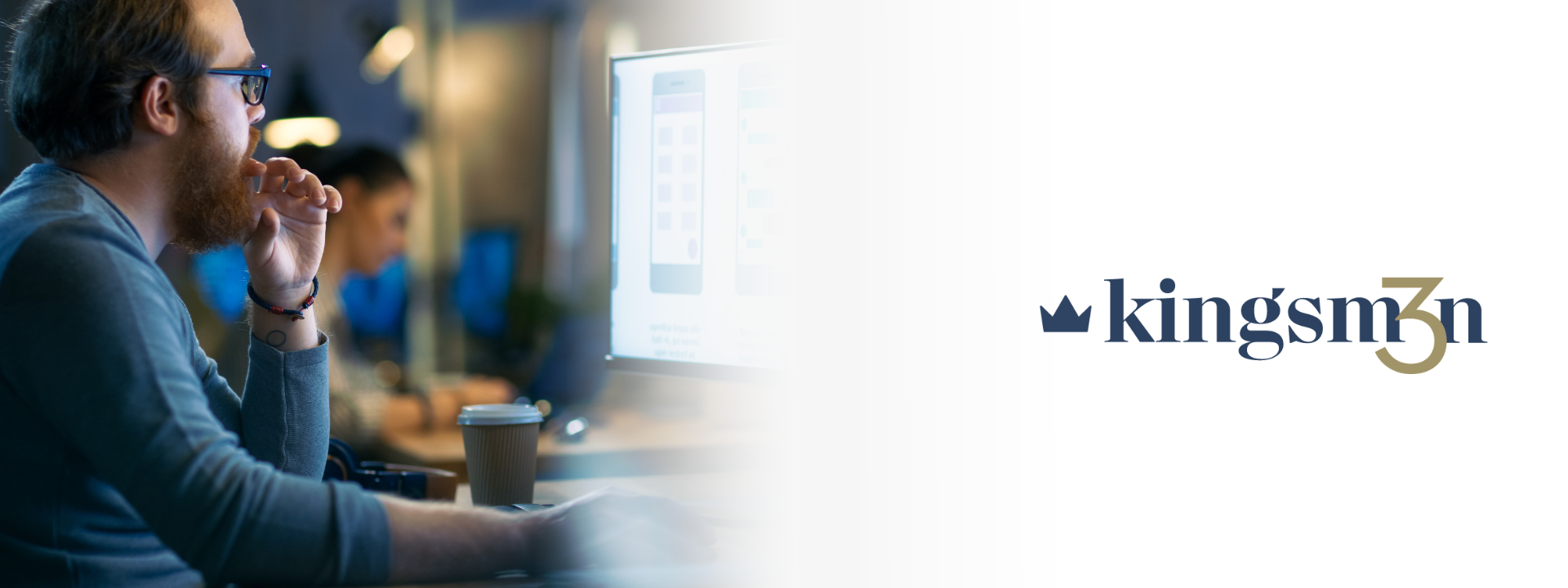
At the request of one of our clients, B Braun Medical, we looked into preventive measures related to blue light exposure. Whether it’s widely known or not, employees engaged in screen work are regularly exposed. You can read our findings and advice in this article.
What is blue light, really?
Blue light is part of the visible light spectrum with a short wavelength and high energy. It occurs naturally in daylight, but also in artificial lighting and the screens of our devices. During the day, it helps keep us alert, but in the evening it can disrupt our biological clock
The impact on our health
Research shows that excessive exposure to blue light in the evening can suppress the production of melatonin—a hormone that helps us sleep. Melatonin is the hormon that helps us sleep. This suppression can lead to sleep disturbances and reduced alertness during the day. People who work late or use screens in the evening are especially at risk.
What can you do?
Use blue light filters
Many devices offer built-in features such as Night Shift (Apple) or Night Light (Windows) that reduce the amount of blue light emitted.
Protect your eyes
There are glasses available that filter blue light. While the scientific evidence on their effectiveness is mixed, some users report less eye strain and improved sleep quality.
Limit screen time in the evening
Try to avoid screens for at least an hour before going to bed. Instead, consider reading a book or doing another relaxing activity to support better sleep.
Ensure proper lighting
Provide adequate and appropriate lighting in the workplace to reduce strain on the eyes.
Advice for employers
As an employer, it’s important to raise awareness about the impact of blue light. Here’s what you can do:
Provide information and training
Educate your employees about the effects of blue light and how to reduce exposure. Sensitising them in the right way can make a real difference.
Assess the need for tools
Consider whether offering blue light filtering glasses or screen filters would be beneficial for your team.
Encourage healthy work habits
Promote regular breaks and limit excessive screen use, particularly in the evening.
In conclusion
Blue light isn’t something to panic about—but it’s not just a myth either. With a few simple adjustments, we can limit its negative effects and foster a healthier work environment.
Want to learn more about how to reduce blue light exposure for your team? Get in touch with Kingsm3n for a free advisory session.

Michaël Marbais
Entrepreneur and Level 1 Prevention advisor.
As managing partner of Kingsm3n and Ken Do It, he helps companies turn safety, security, leadership, and people-centred policies into concrete action – in every routine and every crisis.